 The third trimester of pregnancy begins at week 28 of your pregnancy and continues until delivery. This is an exciting time because you’re counting down to when you’ll have your little one in your arms, but it can also be the most physically uncomfortable as your baby is the biggest and busiest it will be before birth. Ready?
What to Expect in Third Trimester of Pregnancy
Puffy Face and Eyelids
Fluid retention late in pregnancy can see you waking to a puffy face, eyelids or even neck but you may also experience puffiness all day long. If the face swelling persists, you should consult your care provider to make sure you’re not experiencing preeclampsia (high blood pressure caused by pregnancy). Avoiding salt, drinking lots of water and applying cold compresses may help.
Breast Growth
Your breasts will be in overdrive in the weeks leading up to delivery and will get larger. You may notice football shaped lumps as your milk ducts gear up for lactation. You may even experience colostrum leaking from your nipples (known as liquid gold). It may feel strange, but is a good sign. Colostrum is the first nutrition your baby will need and is rich in vitamins, antioxidants and antibodies.
Heartburn
As your uterus pushes your stomach out of position, you may experience heartburn. Eating smaller meals and staying hydrated between meals can help. Stay away from fried foods, carbonated drinks, drinks with acids and spicy food. Papaya enzymes can ease digestion, TUMS may help persistent heartburn and sleeping in a slightly elevated position can keep your stomach acid where it belongs.
Shortness of Breath
Your expanding uterus can also push on your diaphragm which can leave your short of breath occasionally. Once your baby drops down into your pelvis just prior to delivery, you should have some relief. In the meantime, use good posture when sitting, stand up straight, and try sleeping propped up on pillows in an elevated position to help ease breathing problems.
More Fetal Movement
Your baby should be very active in this stage and you may feel rolling and grinding movements rather than kicks and punches. The more your baby is moving, the more oxygenated and healthy they are, so this is a good thing even though it can feel strange. If you watch your bare stomach, you may see large wave-like movements as the baby rolls around inside you. It’s fascinating (if strange) to watch.
Braxton Hicks Contractions
As your body gears up for delivery, your uterus may practice for labor with Braxton Hicks contractions (these are also known as false labor pains). Some women never experience them at all. They are usually irregular, don’t last too long and don’t get more intense. True labor pains get more intense, last longer and get closer together. Contractions that are painful or regular merit a phone call to your care provider.
Backache
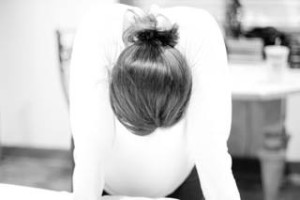
The final weeks of pregnancy often come with an achy back as your baby gets larger, drops down into your pelvis and hormones relax your pelvic joints. This is the time to kick the high heels, try ice packs or a heating pad and get your partner to massage your lower back. Prenatal yoga can also provide some relief from pregnancy aches. Click here to check times for Austin ABC’s prenatal yoga classes.
Itching
Itchy belly is common in pregnancy as your skin stretches to accommodate the baby. But you may want to check with your caregiver to make sure it’s not candida or intrahepatic cholestasis of pregnancy (build-up of bile salts). Itching can also be due to dehydration, stress, allergies or dietary issues. Milk thistle tincture or homeopathic apis may help as can Benadryl, oatmeal baths or aloe vera gel.
Hemorrhoids
Varicose veins in your rectum can cause hemorrhoids as can constipation and straining to move your bowels. Stay hydrated, eat fiber rich foods and engage in regular movement or exercise to keep your bowel movements regular. If you do have hemorrhoids, you can treat these topically with witch hazel or TUCKS medicated pads which are made with witch hazel.
Frequent Urination
As your baby grows and drops into your pelvis, pressure on your bladder will intensify. You may need to urinate much more frequently and have to get up during the night to relieve yourself. You may also leak when you laugh, cough or sneeze. You can’t really stop it, but can wear a panty liner to catch the drips. Be on the lookout for burning and symptoms of a urinary tract infection which must be treated.
Vaginal Discharge
Vaginal discharge in the final weeks of pregnancy is quite common. It may range from light to increasingly heavy. Wear a panty liner to capture the moisture. Normal discharge will look like egg white or runny nose mucus. But be on the lookout for thin clear discharge which may be amniotic fluid leaking out or bloody, pinkish or brown discharge which may indicate onset of labor.
Swollen Feet and Ankles
Your growing uterus puts pressure on veins to your feet and legs. You may experience swelling in legs, arms and hands that can lead to tingling or numbness. Lying down with feet propped up and sleeping with your feet and legs elevated can help. Swimming or wading in a pool and massage therapy can also offer relief. If the swelling is painful or one leg is more swollen, contact your care provider.
Spider or Varicose Veins
Spider veins are reddish spots with tiny blood vessels sprouting off them that can appear on face, neck and arms. These are not harmful. Blue or reddish lines under the skin, usually on the legs, are varicose veins, and are caused by blood settling in your legs. Elevating your legs and wearing supports stockings can help. Ask your care provider about White Oak Bark as a topical remedy to treat varicose veins.
The changes in your body in your late pregnancy may be uncomfortable, but remember it’s your body preparing itself for the miracle of birth. If you’re worried about any of your symptoms, you should always contact your caregiver to talk about what’s going on and make sure that what you’re experiencing is normal and natural.
Contact Austin Area Birthing Center for more information about our birthing facilities. We bridge the gap between home and hospital births and offer a relaxed birthing environment including water birth. Our affordable all-in-one birthing fee includes unlimited prenatal and postnatal classes to support you throughout your pregnancy and in the months to come to make sure your experience is the best it can be. We have locations in the Austin, Texas area in Duval, Manchaca, Central Austin and a facility opening soon in Williamson County. Click here to contact us and schedule a tour.
