
Austin Midwife Spotlight: Kimberly Sennet

kimberly sennet

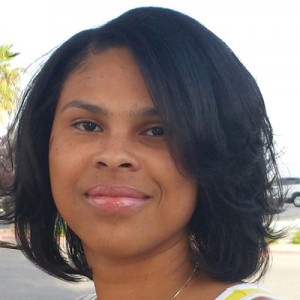
With our Austin Midwife Spotlight series, we’re giving our beloved midwives an outlet to express why they love what they do. Today, we’re spotlighting Kimberly Sennet, RN, CNM, MSN. Kimberly has a master’s degree in Nurse Midwifery from Johns Hopkins University and previously worked as a midwife at a low-income clinic in Las Vegas. Kimberly brings a wealth of experience and education to our Williamson County birth center.

What, in your opinion, separates a true birth center from a hospital birth experience?

In my opinion, one thing that separates a freestanding birth center from a birth center within a hospital is the difference in protocols. Typically, the hospital is more restrictive with certain aspects of labor such as diet. At AABC, we encourage eating and drinking while in labor. Additionally, we provide complimentary childbirth education classes for our clients, which helps prepare families for the hard work of labor.

How does the level of personal care differ between an OB/GYN and an AABC midwife?

One of the hallmarks of midwifery care is education. Therefore, I believe any woman coming to AABC will receive a ton of education from her midwife, all with the hopes of increasing her autonomy so that she can have the birthing experience she desires.

How does AABC being around for 28 years set it apart from other birth centers? Is there something about it that’s unique to the fabric of Austin?

I am relatively new to Austin (just over 1.5yrs) and from what I have observed, AABC is absolutely cut from Austin cloth. The motto of the city is ‘keep Austin weird’ and I take that to mean Austinites do not conform to the norm and AABC is no exception. For instance, many of us are well versed in homeopathics and can provide more non-traditional options to take care of common ailments in pregnancy, and let’s face it, there can be ailments.  

How did you find out about AABC?

I learned about AABC via the good old internet. And once I learned about it, I knew I wanted to become a part of it.

Why did you want to become a midwife? How do those ideals guide your work today?

I initially wanted to become a midwife because birth is fascinating to me. As my understanding grew, I also saw it as the prefect vehicle to become a champion of women. To this day, I strive to educate women during their pregnancy. Birth is one of the most profound and intimate moments in a woman’s life and I remain absolutely humbled each time I participate.

What’s your favorite part about working at AABC?

Honestly, that my colleagues all get along and respect each other. We midwives midwife each other.

Do you have any favorite memories from your time at AABC?

My favorite moment is a selfish one, but it was of my own birth. The labor was fast, the birth was even faster, and it was a perfect day.

If you could tell expectant mothers one message, what would it be?

My only advice is that you do a bit of research on where and with whom you plan to have prenatal care and birth your baby because that can make the difference between a good birth and a great birth.

Why Williamson County

Screen Shot 2015-12-09 at 4.10.14 PM

Austin Area Birthing Center Williamson County has only been open for a few weeks now, but we’ve already delivered five babies there, with no hospital transfers needed! We’re so excited about our new location and can’t wait to see an Austin Area Birthing Center community blossom in Williamson County. Austin Area Birthing Center founder Jean Stokes explains why we opened a third birth center and how it fits into our mission of providing the best prenatal care in Austin.

What was your inspiration for opening a birth center in Williamson County?

Our Duval birth center was getting too crowded and we were having to turn women away every month. We noticed that about a third of those moms lived in Williamson County, so we had a choice. Our options were to either expand the Duval center and make a megacenter or open another birth center and offer the same personal and boutique care that we strive for. We obviously decided on the latter option.

When it came to finding the location – it had to be close to a hospital, affordable and high end – luckily, we found the perfect spot in Williamson County.

What lessons did you learn from building the first two centers that you applied to the Williamson County birth center?

We made a few mistakes with the first two centers, just little awkward things that you don’t think about. For instance, a birth center does require soundproofing! Little choices like having kitchenettes in every suite, the location of the bathrooms and separating the teaching studio from the other parts of the center are all things that we learned from Duval and William Cannon.

What feature of the Williamson County location are you most excited about?

The kitchen is so pretty that I can’t get my eyes off of it. It’s a big chef’s kitchen – you can make anything you want in it!

What was the inspiration for the decor in the birthing suites?

The designer, Billy, and I came up with the Urban Retreat, Hill Country and Tranquility Suite themes and decorations. All of our centers have rooms with unique themes that make everything feel a little more personal.

How does the care at Austin Area Birthing Center Williamson County differ from the care you might receive at an OB/GYN or hospital?

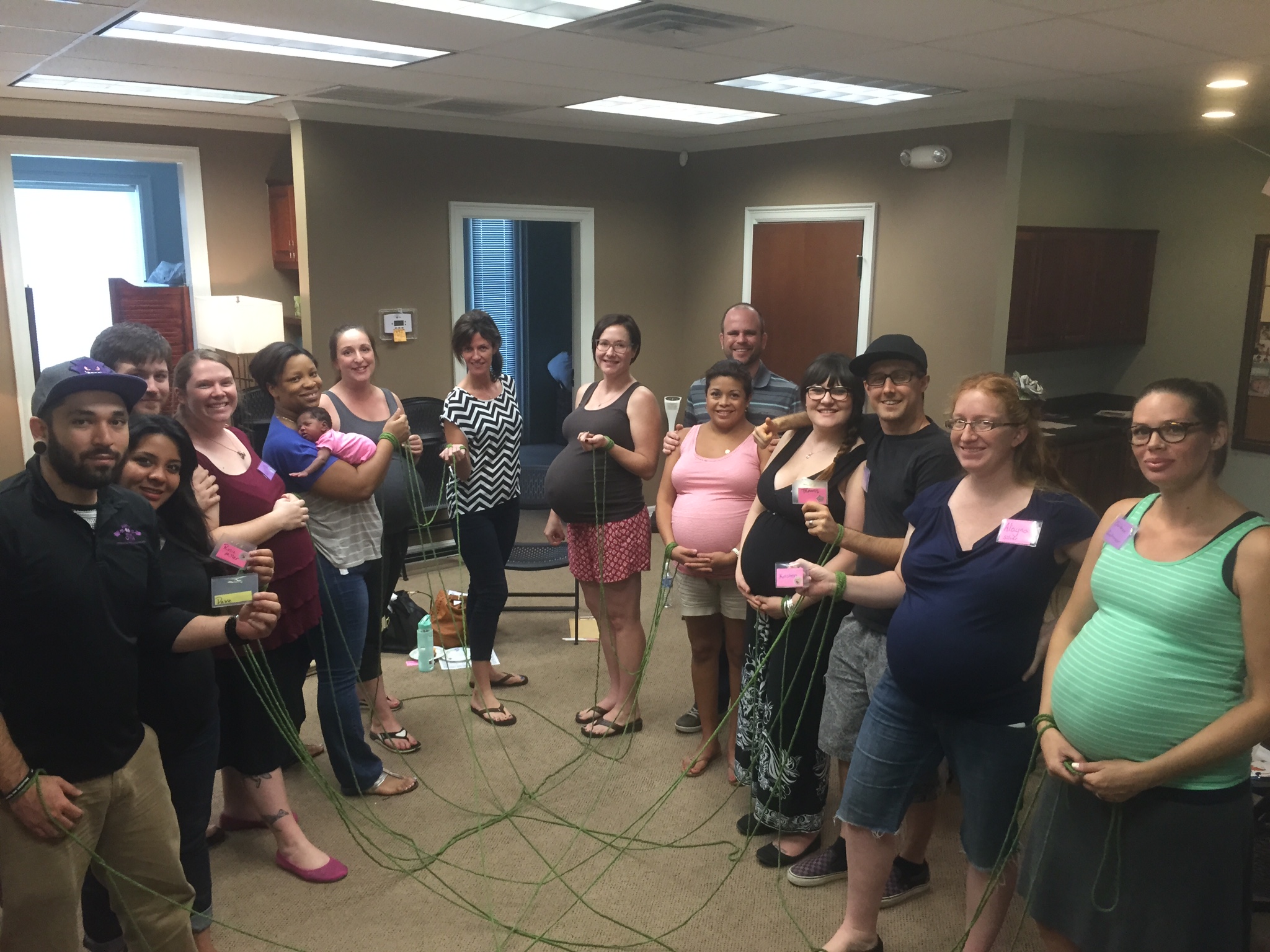
When you come to our birth center, you’re going to give birth and have your checkups at the same location. The staff that takes care of you prenatally is going to be the same one that is with you when you deliver your baby. You get all of the same lab tests, ultrasounds and checkups that you’d get at a doctor, but you get much more time with your provider. Pregnancy is wonderful and natural, but it’s also stressful and a little scary. We think that you need that one on one emotional connect with your caregiver to make it less traumatic.

Another major difference is that if you go to a doctor, you’re not going to channel yourself right into constant community and classes that last for two years. That’s a big part of what we offer.

What advice would you give to mothers who are looking at different ways to have their baby and prenatal care?

I would tell them not to be afraid. It’s a normal thing. You should remember that midwives view pregnancy and birth as normal – until proven otherwise. Then we move to plan B, no problem. Physicians, on the other hand, view pregnancy and birth as a medical emergency until proven normal. That mindset makes a huge difference in the care.


Austin Midwife Spotlight: Charlotte Bellis

Midwife Charlotte Berris

With our Austin Midwife Spotlight series, we are giving our beloved midwives an outlet to express why they love what they do. Today, we’re spotlighting Charlotte Bellis, a CPM and LM. Charlotte hails from Yateley, a small town in Hampshire, about an hour Southwest of London, England.

Why did you want to become a midwife? How do those ideals guide your work today?

After the care I received from my midwives, I knew I wanted to be able provide the same for other families. Years on, I still rewind to those memories when I’m with families that need something extra or have self-doubting moments.

What’s your favorite part about working at AABC?

I believe for low risk women, who desire to have a non-medicated birth AABC, as a TEAM, we can help them achieve that. If a hospital delivery does become part of the birth, we are lucky to have a great relationship with our local hospitals. They understand and respect the family’s choices.

Do you have any favorite memories from your time at AABC?

I have too many favourite memories to list, but recently during the last session of my Centering Pregnancy group of 11 couples, one experienced mother shared how she didn’t want to do Centering as she was shy, we encouraged her to try to keep coming. It was emotional to hear her relay how the Centering experience and friends she made had helped her confidence grow as a person. Right there was another way we helped someone. It doesn’t always have to be about birth!  

What to you is the most rewarding aspect of being a midwife?

I love my job, but know it’s only possible for all the midwives to provide such great care to the families because we are supported by such great medical and administrative colleagues.

If you could tell expectant mothers one message, what would it be?

Many women ask how they will cope with the pain during labour.  The message I try to tell them is to have a supportive team, know it is going to hurt, so practice relaxation, ‘let go’ of birth plans and trust yourself and those around you. I’m English, we have a ‘U’ in labour for a reason…

Eating for Two: Pregnancy Nutrition


Pregnancy Nutrition

Pregnancy is a perfect storm for bad eating habit triggers. You’re tired, stressed and emotional, any one of which could cause you to give in to fast-food temptation on a normal day, much less one where you’re experiencing all kinds of hormonal and physiological changes. However, proper nutrition is a must for fetal development and your own well-being. Luckily, pregnancy doesn’t require any kind of super-strict diet plan – there are just certain nutrients that you need to be sure you’re getting. We’ve put together a list of the most important pregnancy nutrients and where you can find them!

Folate

Folate is one of the most important nutrients to consume during pregnancy because it’s necessary for healthy fetal development and a folate deficiency can lead to neural tube defects in developing babies. Folate is so important that you should be getting at least 800 micrograms starting before conception and throughout your pregnancy. Folate may also reduce the risk of preterm birth.

One of the most folate rich foods around is beef liver, but considering you’re probably already a little nauseous, it might be better to get yours from leafy greens and other vegetables. Good sources of folate include:

  • Spinach – 131 mcg per serving
  • Black-eyed peas – 131 mcg per serving
  • Asparagus – 89 mcg per serving
  • Brussels Sprouts – 78 mcg per serving
  • Romaine lettuce – 64 mcg per serving
  • Avocado – 59 mcg per serving

Iron

Iron’s role in the circulatory system is tremendously important during pregnancy. As your baby develops, you produce more blood to handle the increased oxygen needs of both your and your child’s body. Iron is also necessary for your child as he or she develops his or her own blood supply. To give you a sense of how important iron is during your pregnancy, consider this: the recommended daily allowance of iron for adult women is 18 mg, but for pregnant women the RDA is 27 mg! You may need to supplement your iron intake with fortified foods to meet your daily requirements.

Iron is found in a variety of foods, but is most usable by your body when obtained from lean meats. Vegetables contain polyphenols, which act as iron uptake inhibitors. Good sources of iron include:

  • Pumpkin seeds – 15 mg per serving
  • White beans – 8 mg per serving
  • Dark chocolate – 7 mg per serving
  • Beef chuck roast – 4 mg per serving
  • Lentils – 3 mg per serving
  • Beef bottom round – 2 mg per serving
  • Cashews – 2 mg per serving

Calcium

With the added weight, blood volume, and entire other human that you acquire during pregnancy, you need a strong support structure. Calcium helps your bones maintain strength throughout your pregnancy and supports fetal development. The RDA for calcium is 1,000 mg.

Dairy is the easiest way to get calcium from your diet, but you can also find it in some vegetables. Good sources of calcium include:

  • Plain yogurt – 415 mg per serving
  • Mozzarella cheese – 333 mg per serving
  • Cheddar cheese – 307 mg per serving
  • Skim milk – 299 mg per serving
  • Turnip greens – 99 mg per serving
  • Kale – 100 mg per serving

Vitamin D

Vitamin D helps regulate all of that calcium you’re consuming, as well as your phosphorous levels. Vitamin D is vital to your baby’s teeth and bone development and too little can lead to rickets or other skeletal problems. When pregnant, you’ll want to get at least 600 IUs of Vitamin D per day.

Vitamin D is one of the tougher dietary nutrients to come by and is mostly found in fish. You can, however, get some of your daily Vitamin D from sunlight. Good sources of Vitamin D include:

  • Cod liver oil – 1360 IU per serving
  • Salmon – 447 IU per serving
  • Beef liver – 42 IU per serving

Midwife Suggestions

When you visit Austin Area Birthing Center, our midwives can help you with any diet questions you may have. In general, here’s what we recommend our moms eat to get all of those vital nutrients:

  • 60-80 g protein a day, especially lean protein.
  • Seven to nine servings of vegetables and fruits, with a larger proportion of veggies.
  • Two to four servings of dairy.
  • Make at least half your grains whole grains.
  • Drink plenty of water! 8-10 8 oz glasses per day.
  • Minimize processed food and refined sugars.

You should also take a prenatal vitamin, DHA and a probiotic supplement to keep yourself and your baby feeling good. 

Austin Midwife Spotlight: Samantha Evans

Austin Midwife Samantha Evans

With our Austin Midwife Spotlight series, we are giving our beloved midwives an outlet to express why they love what they do. Today, we’re spotlighting Samantha Evans, who has been with us for five years!

Why did you want to become a midwife? How do those ideals guide your work today?

I chose to become a midwife because I felt that the midwifery model of care encouraged women’s active participation in their care throughout pregnancy, birth, and postpartum. Additionally, I liked that the midwifery model viewed pregnancy and birth as normal, healthy events in a woman’s life.

In my work at AABC, I am privileged to help women and their partners engage fully in their care during one-on-one conversations and by working with Centering Pregnancy groups. Client education is one of my favorite aspects of this work. The practice model at AABC treats pregnancy as a healthy part of a woman’s life, but we continuously perform risk assessments for each client throughout pregnancy, labor, and postpartum to identify deviations from the norm when they occur. We have developed relationships with some of the best OB/GYNs, maternal fetal medicine specialists, and hospitals in the area to manage complications when they arise.

What are the main differences between your approach to birth and the typical hospital birth?

The biggest difference between my approach to birth as a midwife compared to a typical hospital birth is that I try my best to let the process of labor and birth unfold at its own pace without interference. Because I am a nurse midwife, I was trained in a hospital setting. Most of my patients in that setting had IV fluids, and they often received pitocin augmentation and epidurals during their labors. We frequently “broke” the patients’ water to move labor along.

One of the most important lessons I’ve learned in my five years working at the birth center is patience. I spend much more time observing a labor pattern and how a woman is coping with the process, and make recommendations on that basis. First and foremost, I encourage frequent position changes, alternating rest with activity, and adequate nutrition and hydration to make labor easier and more efficient. Sometimes “breaking water” is appropriate, but we do it much less often than at the hospital. We sometimes use herbs, homeopathy, and essential oils to facilitate labor with good effect.

What is the most common question you get from new patients?

Patients will often ask whether they should have a doula if they are birthing at the birthing center. I think that many people think of doulas as advocates who help to prevent unnecessary interventions during hospital births. I think they do this really well, but I think that their most important role is the continuous support they provide to women and their partners in labor. I wholeheartedly recommend doulas in labor in any setting. Some people feel that having both a midwife and a doula is redundant, but the truth is that while our roles overlap in some ways, doulas bring a unique set of skills to make labor and birthing more comfortable.

Do you have any favorite memories from your time at AABC?

It’s really hard to narrow down favorite memories! I love that I’ve been at AABC long enough now to have attended births for a few sets of siblings. That’s really special, and I’ll always remember those families.

There’s something really sweet and beautiful about each birth, though I remember most clearly the very long ones, the very short ones, and the ones with lots of friends and family present. And the ones that happen on holidays! I remember my first Christmas Eve baby, Easter baby, the first baby I delivered on my own birthday. One of my most memorable births was one where four older sisters were present for the birth of their first baby brother. That was awesome.

What to you is the most rewarding aspect of being a midwife?

The most rewarding part of being a midwife for me is watching women become mothers and being with them during this transformative experience.

If you could tell expectant mothers one message, what would it be?

If I could tell expectant moms one thing, I guess it would be to expect the unexpected. Pregnancy, labor, and birth are different for every woman, every time. It probably won’t go exactly the way you imagine, but we’ll do our best to help you prepare for whatever may come and remind you along the way that you are strong and you can do it.